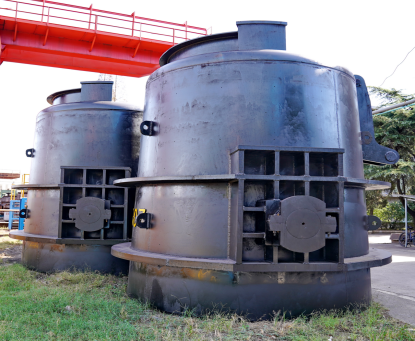
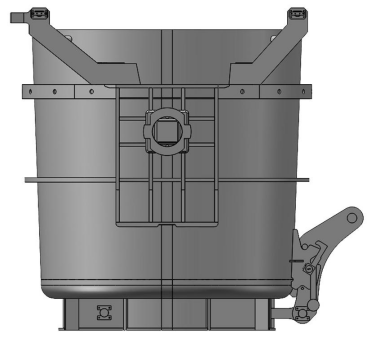
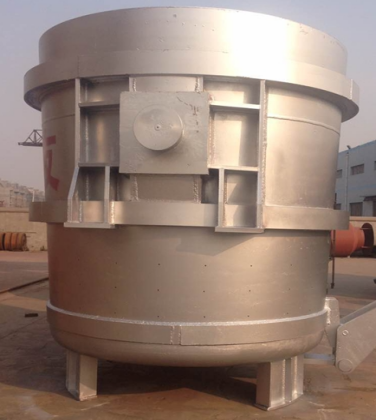
Steel water bath is an indispensable and core piece of equipment in the entire steelmaking production process, playing a vital connecting role in intermediate steelmaking procedures. As a special container for high-temperature molten steel bearing and processing, it has a simple and reasonable structural system, which is mainly composed of three key parts: outer steel shell, internal refractory lining and thermal insulation layer. Each structure undertakes unique functional tasks to ensure the safe and stable operation of the equipment under extreme high-temperature working conditions.
The outer steel shell provides overall structural strength and mechanical support for the equipment, resisting external impact and structural deformation. The inner refractory lining directly contacts the high-temperature molten steel, effectively preventing high-temperature erosion and corrosion. The middle insulation layer plays a key role in reducing heat loss and maintaining the constant temperature of molten steel. In actual production, the steel water bath mainly undertakes the important task of receiving high-temperature molten steel poured from the converter after primary smelting.
After holding the molten steel, the steel water bath serves as a key reaction container for secondary refining. It can stably complete a series of essential metallurgical processes, including desulfurization, deoxygenation and precise composition adjustment of molten steel. These refining reactions effectively remove harmful impurities in molten steel, reduce internal oxygen content, and optimize the chemical composition of steel materials. This not only greatly improves the purity and comprehensive quality of finished steel products, but also guarantees the stability and qualification rate of subsequent rolling and forming processes, which is crucial to the overall efficiency and product quality of modern steelmaking production lines.