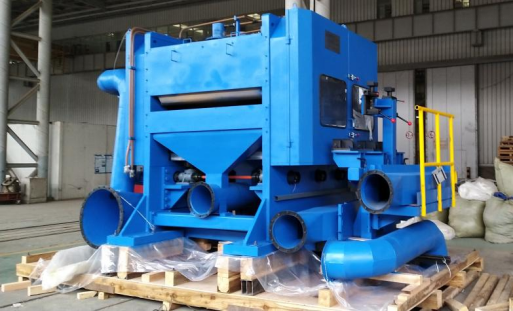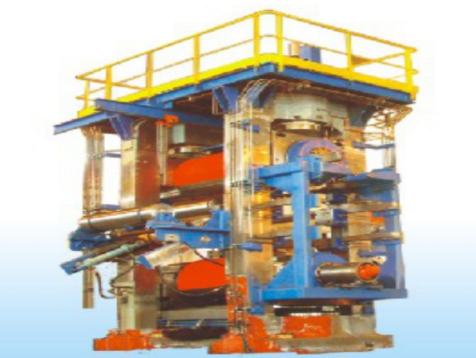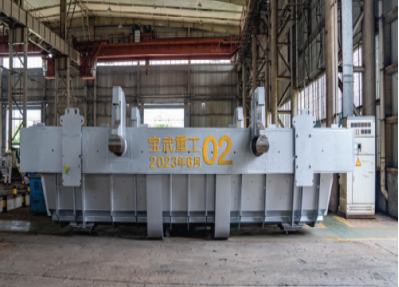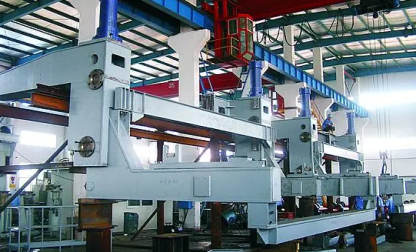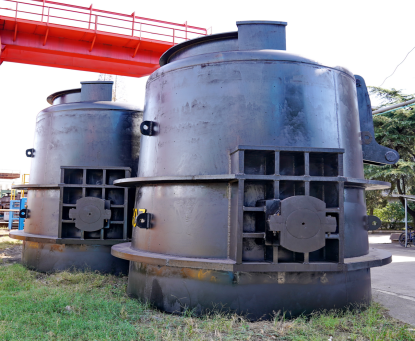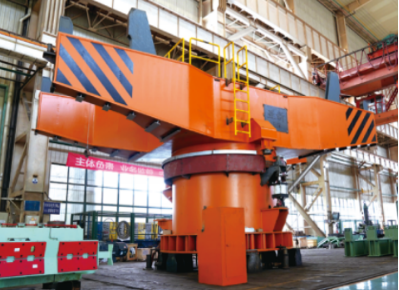
Baosteel Rolling specialises in metallurgical equipment and components. We offer a wide range of spare parts for metallurgical processes, including H-shaped steel, rolling mill chocks, cold rolling reels, hot rolling mandrels, zinc pot rolls, and steel water baths. Designed for harsh industrial operating environments, these products ensure rolling accuracy, equipment reliability, and continuous production. Browse our product categories to find solutions that match your rolling mill configuration, material requirements, operating conditions and application needs. Contact our team to learn about product specifications and customisation options.
Forged steel rolls are used primarily in rolling mills to reduce the thickness of metal, shape steel products, and improve their dimensional accuracy during hot or cold rolling processes.
Forged steel rolls are formed by a process called forging, which refines the steel's structure, thereby improving its strength and toughness. Cast steel rolls, on the other hand, are produced by pouring molten steel into moulds.
Metallurgical components are specialised parts used in metal production and processing equipment. Examples include rolling mill components, shafts, guides and bearing housings.
Forged steel rolls are typically made from alloy steels and high-carbon steels, as well as other grades that are chosen based on the required hardness, wear resistance, strength, and rolling conditions.
To select the right forged steel roll, you need to evaluate the rolling process, the material being processed, the roll dimensions, the surface hardness, the wear resistance, the thermal conditions, and the equipment specifications.
The service life of forged steel rolls can be extended by selecting the right roll, regularly inspecting the surface, controlling the rolling conditions, using the right cooling and lubrication methods, and carrying out timely grinding or maintenance.

Baosteel Roll Science & Technology Co.,Ltd